


Does Your Dog Actually Need a Multivitamin?

Written by Finn Team · Published October 5, 2026 · Updated October 5, 2026
Here is the honest answer most supplement articles skip: if your pup eats a complete and balanced food that meets AAFCO nutrient profiles for their life stage, they almost certainly do not need a multivitamin. That food is already fortified with every vitamin a dog requires, and stacking more on top can push fat-soluble vitamins like A and D toward excess instead of benefit. Multivitamins earn their place in a few specific situations, and here is exactly what those are.
Does my dog need a multivitamin if they eat regular dog food?
No, in most cases. Foods labeled complete and balanced already deliver every essential vitamin a dog needs, which is why the AKC notes that dogs get their vitamins from their food when it suits their life stage. A healthy pup on a balanced diet does not need a daily multivitamin, and extra vitamins can actually do more harm than good.
That is worth saying plainly before reaching for a supplement. A multivitamin fills a real gap. It is not an upgrade to an already good diet.
When does a dog multivitamin genuinely help?
Five situations make a nutrient gap likely enough that a daily multi is reasonable, listed most common first. In every case, the common thread is that diet alone may not be delivering what your pup needs, and a broad-spectrum supplement helps steady the nutritional floor.
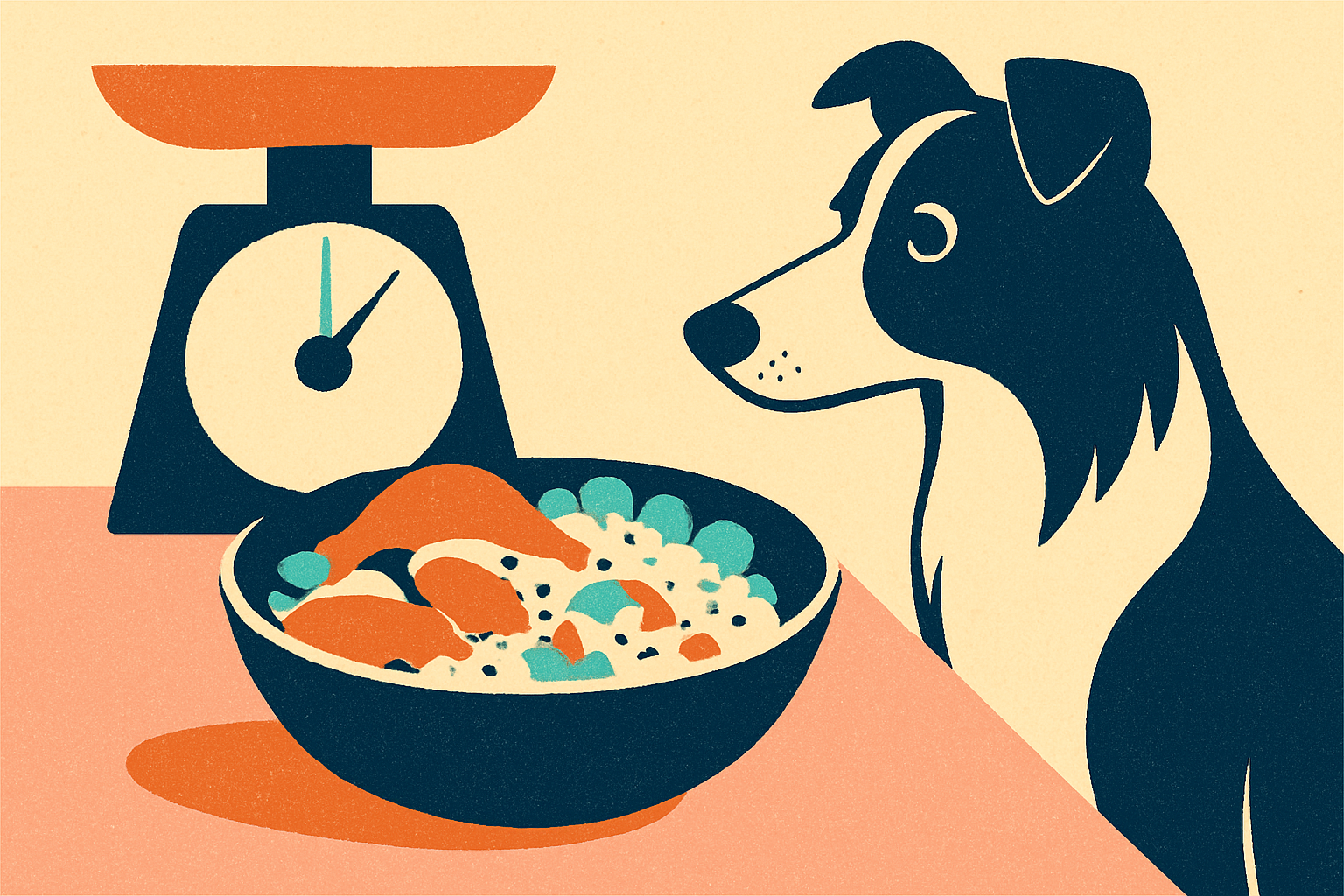
- Home-cooked or raw diets. By far the biggest one. Researchers assessed over 1,700 homemade diets and found only about 6 percent met essential nutrient requirements. A multivitamin is a floor here, not a fix. A veterinary nutritionist is the real answer.
- Senior pups. Older dogs often eat less and absorb less efficiently. A daily multi plus vet visits twice a year makes sense from around age 8, earlier for giant breeds.
- Picky eaters on lower-tier or constantly rotating food. A dog who leaves half the bowl will not hit targets. Fix the food first if you can. A multi steadies things while you do.
- Dogs recovering from illness, surgery, or a long GI episode. Appetite is down, absorption may be impaired, and demand is up, so short-term support is a clearer case.
- Breeds with inherited absorption problems. Border Collies, Beagles, Giant Schnauzers, and Australian Shepherds carry a known gene variant for selective B12 (cobalamin) malabsorption. These pups need veterinary diagnosis and prescription-strength B12 specifically, so an over-the-counter multi will not address the core issue. The breed list is worth knowing so you can raise it with your vet early.
Which vitamins do dogs actually need, and what goes wrong?
Four groups do most of the heavy lifting, and each has a deficiency picture and an excess picture. Understanding both sides helps you weigh whether supplementation makes sense for your pup.
| Vitamin | What it does | Too little | Too much |
|---|---|---|---|
| A | Vision, skin and coat, immune function, growth | Rough coat, flaky skin, poor night vision | Weight loss, dullness, sore joints, bone changes in pups |
| D | Calcium and phosphorus balance, bones, muscle | Soft or poorly formed bones, weakness | Vomiting, heavy drinking and urinating, kidney harm |
| E | Antioxidant protecting cell membranes and fats | Muscle weakness, retinal changes, poor skin | Rarely toxic, but huge doses may affect clotting |
| B-complex | Energy metabolism, nerves, red blood cells, coat | Poor appetite, weight loss, GI upset, neuro signs | Water soluble, so excess is mostly excreted |
One note on vitamin E: it works alongside omega-3 fats, so dogs on a daily fish oil have slightly higher E needs. That is part of why fish oil and coat support products are usually formulated together.
Can you give a dog too many vitamins?
Yes, and this is the part that generic roundups leave out. Fat-soluble vitamins (A, D, E, and K) are stored in body tissue rather than flushed out, so excess can build up and cause problems as real as a deficiency.
Vitamin D deserves the most respect. The FDA notes that dogs with excess vitamin D may vomit, eat little, drink and urinate more, drool, and lose weight, and that diet-related toxicity builds gradually. Dog foods have been recalled over excess vitamin D, which shows how narrow the window is. Vitamin A has a wider safety margin, but cod liver oil and daily liver treats still add up over months.
Three rules keep you out of trouble: no human multivitamins, no doubling up on products carrying the same fat-soluble vitamins, and tell your vet everything your pup takes.
What symptoms mean "see a vet," not "buy a supplement"?
Some signs look nutritional but usually need diagnosis. If you see any of these, book the appointment before you shop.
- Rapid or unexplained weight loss. No multivitamin touches this. It points toward dental pain, GI disease, or kidney and thyroid issues.
- Real lethargy or exercise intolerance. A pup who will not get up for a walk needs bloodwork, not a chew.
- Persistent GI changes. Vomiting, diarrhea past a couple of days, black tarry stool, or a sudden appetite shift.
- Coat or skin changes with itch, odor, or hair loss. Usually allergies, parasites, infection, or a hormone issue rather than a vitamin gap.
- A sudden jump in drinking and urinating. Also an early vitamin D excess sign, so list every supplement at the visit.
How do I choose a multivitamin if my dog is one of the exceptions?
Look for published amounts per chew rather than vague proprietary blends, the NASC quality seal, and no megadosing of fat-soluble vitamins. If your pup has one specific issue (stiff hips, itchy skin, loose stool), a targeted product usually beats a generic multi. For dogs who fit the framework above, a broad daily baseline is the right shape.
An all-in-one daily soft chew with omega-3s, live probiotics, B vitamins, CoQ10, and biotin, built as everyday baseline support.
Shop MultivitaminFAQ
Can I give my dog a human multivitamin?
No. Human formulas are dosed for a 150-pound body and may contain iron, vitamin D, or xylitol at levels dangerous for dogs. Call your vet or a poison control line if your pup gets into a bottle.
How long before a multivitamin shows any difference?
If a real gap is being filled, coat and energy changes usually show up over 6 to 12 weeks, since hair grows slowly. If nothing shifts in three months, there probably was not a gap.
Do puppies need a multivitamin?
Usually the opposite. Pups on a growth formula are especially sensitive to excess calcium and vitamin D during bone development, so add nothing without your vet's go-ahead.
My dog eats a fresh-cooked subscription food. Does that count as balanced?
If the label says complete and balanced for your dog's life stage per AAFCO, yes. Recipes you portion yourself at home are what usually fall short.
This article is for general education and is not a substitute for veterinary advice. If your pup has ongoing or severe symptoms, check in with your vet.