


Is It Normal for My Dog to Shed This Much in August?

Written by Finn Team · Published August 24, 2026 · Updated August 25, 2026
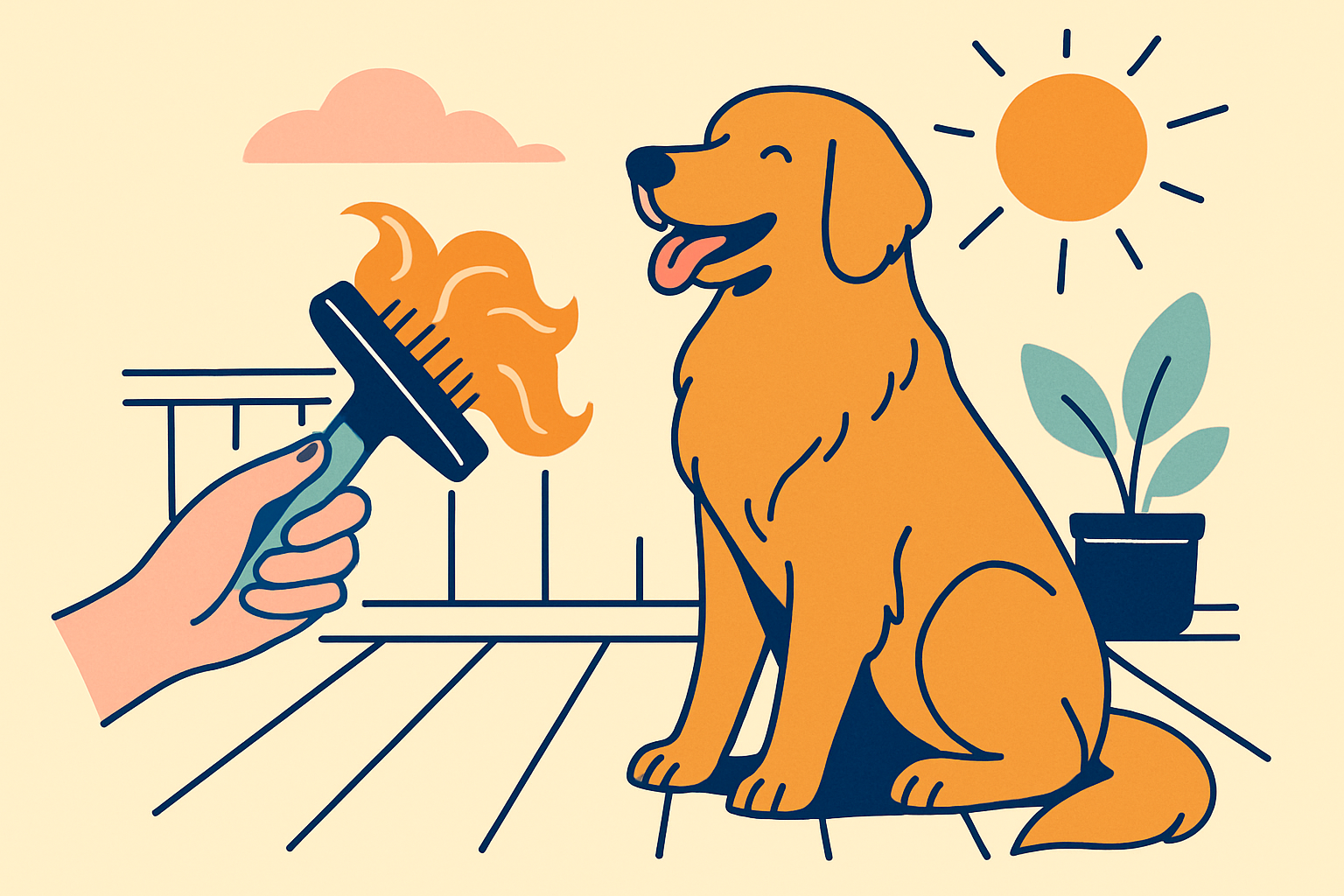
Yes, heavy shedding in late August is normal for most pups. As daylight shrinks after the summer solstice, hormone signals tell the coat to release summer hair and build denser winter insulation. The American Kennel Club notes that seasonal shedders lose the most hair in spring and fall, with the fall shed clearing lighter hair to make room for thicker insulation. What is not normal is bald patches, red skin, or a coat gone brittle and dull all over.
Why is my dog shedding so much in August?
Your pup is doing a wardrobe change. Day length, not temperature, is the main cue, and days have been shortening since late June, so the coat turns over before the weather cools.
Hair does not grow continuously. Each follicle cycles through growing, transition, and resting phases, and resting hairs are the ones that let go when you brush. Neighboring follicles run on slightly different schedules, so shedding happens in a patchy mosaic, which is why you get tumbleweeds under the couch for weeks instead of one dramatic day.
Double-coated pups feel this most. Huskies, Golden Retrievers, Labs, Corgis, German Shepherds, and Australian Shepherds carry a soft undercoat beneath their guard hairs, and that undercoat comes out in clumps. Single-coated pups like Poodles and Yorkies barely register the season change. Indoor dogs under artificial light often shed lightly year-round, though many still get a noticeable August through October push.
What does a healthy seasonal shed look like?
A healthy shed is even, spread across the whole body, and leaves normal skin behind. Your pup should not be scratching at the areas losing the most hair, and new hair should be coming in underneath.
| Normal August turnover | Worth a closer look |
|---|---|
| Loose hair evenly across the body | Bald or thinning patches, especially matching ones |
| Skin underneath looks calm and normal colored | Red, flaky, greasy, or bumpy skin under the hair loss |
| Lasts a few weeks, then tapers | Keeps escalating for months with no letup |
| Pup is comfortable | Constant scratching, licking, or chewing at the same spots |
Part the coat and look at the skin. Healthy skin under a shedding coat looks unremarkable, so visible inflammation means a skin issue riding along with the shed. Late summer is peak ragweed and mold season too, so if scratching is the main event, our piece on why dogs get itchy again in late August covers that.
Why is my dog's coat dull and dry at the end of summer?
Because summer is hard on skin. Three months of sun, chlorine or salt water, and extra baths strip the oils that make a coat glossy, and the new winter coat is growing in on skin that is already depleted.
- Pool and lake time. The AKC points out that pool chemicals strip skin and coat of their natural oils, leaving dry, itchy skin and a dull coat, and chlorine can even tint light coats slightly green.
- Too many baths. Frequent shampooing removes the sebum layer faster than skin can rebuild it.
- Sun exposure. UV fades and coarsens guard hairs, most visibly on dark coats.
The fixes are simple. Rinse with cool water after every swim, longer than feels necessary. Stretch baths to every three or four weeks unless your vet says otherwise, and use a gentle moisturizing shampoo. Comb long coats down to the skin while damp, since hidden mats tighten as they dry.
How should I brush my dog through the coat change?
More often and more thoroughly than usual. During peak shedding, heavy shedders do well with daily brushing and lighter shedders with a few sessions a week, which also spreads natural oils along the hair shafts.
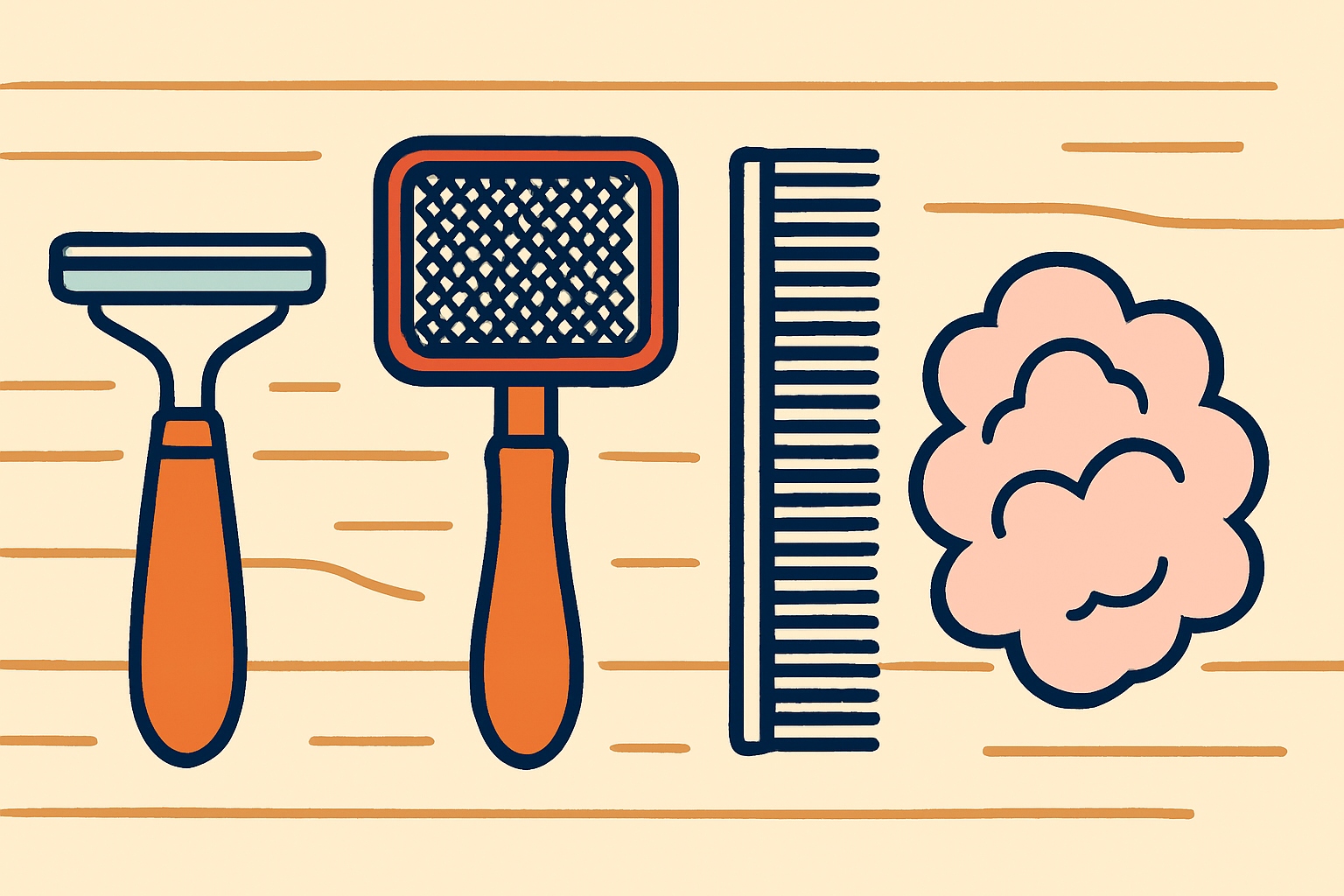
For double coats, start with an undercoat rake to pull dead undercoat from the base, follow with a slicker brush, then finish with a steel comb to catch tangles. Work with the direction of hair growth, using light pressure. For short coats, go against the grain first to loosen dead hair, then with the grain to sweep it away. Ten focused minutes outside, most days for three or four weeks, handles most of a seasonal shed.
Skip the shave. Clipping a double coat does not reduce shedding and can disrupt the layer that helps regulate temperature. For more on coat types, see our guide to dog fur and coats.
Does nutrition actually help the new coat come in better?
It helps, and this is the season it matters most. Growing a whole new coat is protein and fat intensive, and the shine on a healthy coat comes largely from skin lipids and sebum, which depend on dietary fatty acids.
- Omega-3s (EPA and DHA) from fish oil. The AKC suggests an omega-3 supplement to help replenish natural coat oils from the inside out during swim season.
- Omega-6 linoleic acid, a core part of the skin's water-holding barrier.
- Biotin and zinc, involved in normal keratin production and skin health.
- Vitamin E, an antioxidant that works alongside the fats you add.
- High quality protein, since hair is mostly keratin.
Set expectations on hair-growth time. The coat has to grow out before improvement shows, so most owners notice a difference around six to eight weeks in, with a fuller change closer to twelve. Starting now means the winter coat comes in on better fuel.
Finn's Skin & Coat chew uses wild Alaskan salmon oil, biotin, vitamin E, and zinc to support a shinier coat and healthier skin with less shedding.
Shop Skin & CoatTo cover more bases with one chew, our Multivitamin includes omega-3s, B vitamins, live probiotics, CoQ10, and biotin. Whichever you choose, give it consistently. Fatty acids do little on an occasional schedule.
When should I call the vet about shedding?
Call when the pattern looks wrong rather than simply heavy. Bald patches, matching thinning on both flanks, red or scaly skin, or a sudden spike in hair loss deserve an exam, since thyroid issues, allergies, and parasites can affect the coat. Same goes for thinning paired with weight gain, low energy, or increased thirst. A skin scrape or thyroid panel answers the question quickly.
FAQ
How long does the fall shed last?
Usually a few weeks to a couple of months, tapering rather than stopping abruptly. Timing depends on breed, coat type, and daylight.
Is August too early for a winter coat?
No. Days have been shortening since late June, and coat cycles run ahead of the weather so the new coat is ready before the cold arrives.
Will shaving my double-coated dog reduce shedding?
No. The undercoat still cycles and sheds, and clipping can disrupt the layer that regulates temperature.
How soon will a supplement change the coat?
Plan on six to eight weeks for early changes and about twelve weeks for the full picture, since the coat has to grow out.
This article is for general education and is not a substitute for veterinary advice. If your pup has ongoing or severe symptoms, check in with your vet.