


My Dog Won't Stop Itching: Causes and What Actually Helps

Written by Finn Team · Published November 23, 2026 · Updated November 23, 2026
Constant scratching almost always has a specific cause, and the five most common ones are flea bite allergy, environmental (atopic) allergy, food allergy, dry skin, and a secondary skin or ear infection. The fastest way to help your pup is figuring out which bucket you are in before buying anything. Home care and a daily skin supplement do real work for mild or allergy-prone itching, but they do not replace a diagnosis when fleas, mites, or infection are driving it.
Why is my dog itching so much?
Itching (vets call it pruritus) is a symptom, not a diagnosis. The Merck Veterinary Manual notes parasites are the first cause a vet rules out, then bacterial and fungal infections, with environmental and food allergies considered for dogs itching year round. Following that order at home saves weeks. Here is the triage you can do on the floor tonight.
| Pattern | What it looks like | Most likely cause |
|---|---|---|
| Tail base, rear legs, belly | Scabby bumps, black specks like pepper in the coat | Flea bite allergy |
| Paws, armpits, groin, ear flaps | Paw licking, rusty saliva staining, recurring ear gunk | Environmental allergy |
| Itchy all year, no seasonal rhythm | Ears and rear end involved, sometimes loose stool or gas | Food allergy |
| Flaky coat, worse in heated indoor air | Dandruff, no redness, mild scratching | Dry skin |
| One hot, wet patch, or a yeasty smell | Odor, greasy skin, hair loss, pain on touch | Secondary infection |
How do I tell a flea allergy from a seasonal or food allergy?
Location and timing are your best clues. Flea allergic dogs react to flea saliva, so one bite sets off days of itching, and the AKC describes the itch as most intense over the tail head, often with flea dirt that looks like black pepper on the skin. You do not need to see a live flea to have a flea problem, since most of the population is eggs and larvae in your carpet, not adults on your dog.
Environmental allergy (atopic dermatitis) usually starts between 6 months and 3 years old and targets the paws, armpits, groin, and ears, often starting seasonal and creeping toward year round as a pup ages. Food allergy is less common and shows no seasonal rhythm. Confirming it takes a strict elimination diet trial of 8 to 12 weeks on a novel or hydrolyzed protein, with zero other treats or flavored products. Blood and saliva food allergy tests are not accurate enough to diagnose it.
When should I skip home care and call the vet?
This matters more than any product recommendation. Call your vet soon if you see any of these.
- Hair loss, bald patches, or skin broken from scratching
- Scabs, crusts, or open sores
- A yeasty or sour odor, or greasy, thickened skin
- A hot spot: a raw, wet, painful patch that grows within hours
- Itching running longer than two weeks despite good flea control
- Recurring ear infections or head shaking
- Scratching that wakes your pup at night, or sudden facial swelling
Those signs point to infection, parasites, or something needing prescription treatment. No chew, bath, or oil resolves them, and waiting makes the skin harder to settle.
What actually helps an itchy dog at home?
Ranked by the evidence behind each one, here is where to put your effort.
- Flea control first, every dog in the house, year round. Use a vet-recommended preventive on the full label interval, even if you are certain there are no fleas.
- Clean up the environment. Wash bedding weekly in hot water, vacuum carpets and upholstery, then empty the canister outside. That removes the eggs and larvae keeping a flea cycle running.
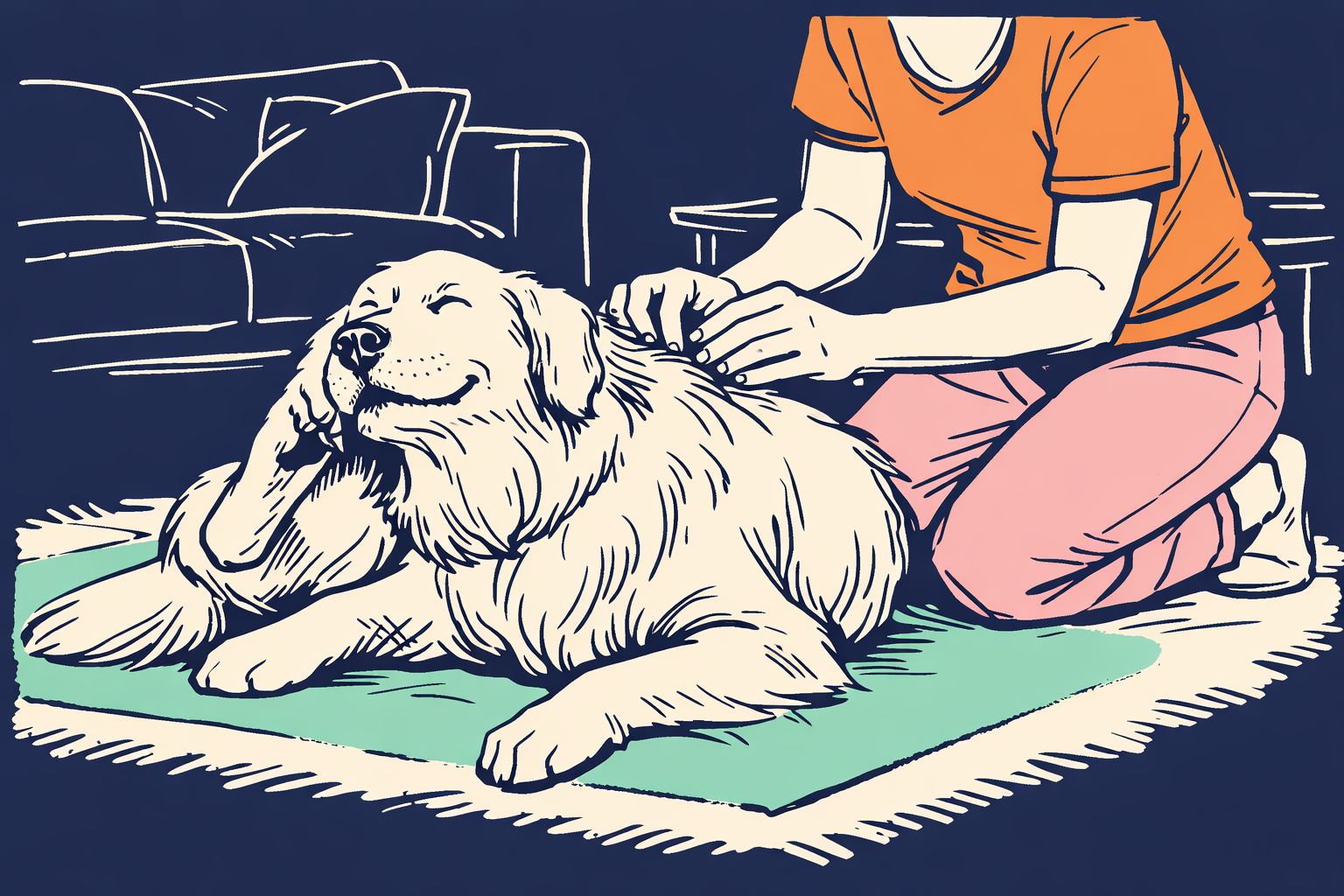
- Cool colloidal oatmeal baths, once or twice a week. Oatmeal is genuinely soothing, and the rinse strips pollen off the coat. Keep the water cool, since heat worsens itching, and let the lather sit 10 minutes.
- Rinse the paws after walks. Wiping feet and belly cuts how long allergens sit against the skin. For paws already cracked from licking, a balm like Paw Hero protects them while they recover.
- Stop the self-trauma. A soft recovery collar or light t-shirt for a few days breaks the lick-scratch loop that turns irritation into infection.
What should I never put on an itchy dog?
Skip tea tree oil, which shows up on home remedy lists it should not. VCA lists tea tree (melaleuca) among the essential oils poisonous to dogs by both ingestion and skin contact, along with cinnamon, citrus, pennyroyal, peppermint, pine, and wintergreen. Dogs lick whatever you put on them, so topical oils are a swallowing risk too.
Also skip human medicated shampoos and hydrocortisone creams unless your vet says otherwise, avoid undiluted vinegar on broken skin, and never give human allergy pills without dosing guidance. Our guide on whether allergy chews work covers the over the counter options.
Where does a daily supplement actually fit?
Honestly: in the mild, chronic, allergy-prone middle. A daily chew supports the skin barrier and helps moderate the inflammatory response over weeks, which suits a pup who flares every spring or stays slightly itchy year round. It does nothing for fleas, mites, or a bacterial infection, and it does not replace a prescription your vet has started.
The ingredient with the best evidence is omega-3 fatty acids. Updated international guidelines on atopic dermatitis in dogs report that oral essential fatty acid supplements significantly reduced the drug doses needed to keep allergic dogs in remission. That is the realistic framing: a supporting player, not a replacement.
Finn's Allergy & Itch soft chew pairs colostrum, quercetin (a natural antihistamine), bee propolis, and salmon oil to support a calmer allergy response and a healthier skin barrier.
Shop Allergy & ItchIf the issue is more flaky coat than allergy flares, Skin & Coat leans harder on wild Alaskan salmon oil, biotin, vitamin E, and zinc. Give either one 4 to 8 weeks, and keep a weekly note on scratching. If the itch shows up in January with no pollen around, our piece on winter itching covers the dry air angle.

FAQ
How long should I try home care before seeing a vet?
Two weeks is the ceiling. If scratching has not clearly improved by then, or a red flag sign appears sooner, book the appointment.
My dog is on flea prevention, so it cannot be fleas, right?
It still can be. Late doses, washing off a topical too soon, or untreated housemates all leave a gap, and one bite is enough for a flea allergic pup.
How long does an allergy supplement take to work?
Plan on 4 to 8 weeks of daily use. Skin barrier ingredients build up over time rather than acting like a same-day antihistamine.
This article is for general education and is not a substitute for veterinary advice. If your pup has ongoing or severe symptoms, check in with your vet.