


What Can I Give My Dog for a Yeast Infection?

Written by Finn Team · Published October 30, 2026 · Updated October 30, 2026
For an active yeast infection, the most useful thing you can give your pup is not a supplement. It is a vet-confirmed diagnosis plus a medicated antifungal topical, usually a shampoo, wipe, or ear solution with miconazole, chlorhexidine, or ketoconazole. Omega-3s and diet changes matter in phase two, once the infection is controlled and you are working out why it happened. Yeast overgrowth is nearly always a symptom of something else, usually allergies or a weakened skin barrier.
What does a yeast infection look like on a dog?
A yeast infection is an overgrowth of Malassezia pachydermatis, a fungus that already lives on healthy dog skin in small numbers. When conditions change or the immune system is busy elsewhere, it multiplies and inflames the skin. The giveaway is itch plus a distinct smell. Per VCA, common signs are:
- Itching and redness on paws, armpits, groin, neck folds, or under the tail
- A musty odor that owners often describe as corn chips or sour milk
- Greasy coat with flakes, scale, or crusting
- Thickened, leathery skin ("elephant skin") and darkened pigment where the skin used to be pink
- Repeat ear infections, with brown waxy discharge and head shaking
Paw licking is the sign most owners miss. Nightly foot chewing plus rust-red fur between the pads is worth a vet swab.
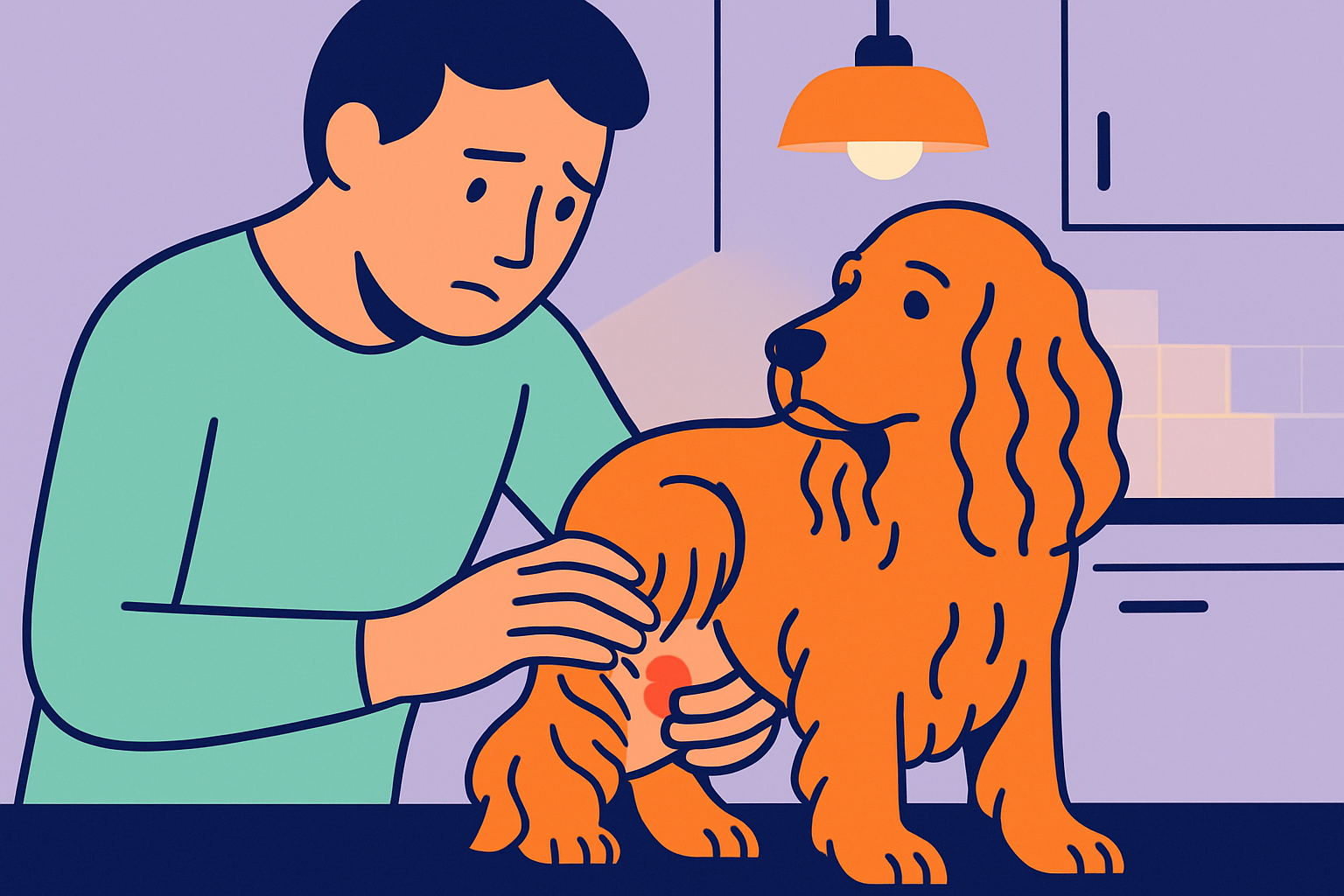
When is this a vet visit instead of a bath?
Any time you see open sores, ear involvement, rapid spread, or a pattern of recurrence, call your vet before reaching for a shampoo. Many cases that look like yeast turn out to be something else, or have progressed past what a shelf product can handle.
- Bleeding, open sores, or pus. Many yeast cases have a bacterial infection on top, which needs different medication.
- Anything involving the ears. Head shaking, head tilt, pain on touch, or dark discharge needs an exam first. If the eardrum is ruptured, some cleaners can cause real harm, so never pour anything into an ear nobody has looked inside.
- Rapid spread. A patch that doubles in a few days is not wait-and-see.
- Recurrence, or no improvement after a week on your current plan. A second or third flare in a year means the real problem is underneath, and more shampoo will not find it.
- Your pup feels off overall: low energy, appetite changes, drinking more. Hypothyroidism and Cushing's can surface as repeat skin infections.
What will the vet actually do?
Expect a quick, same-visit answer. Your vet confirms yeast with cytology: a surface sample (impression smear, tape lift, swab, or shallow scraping) read under the microscope in the room. Yeast, bacteria, mites, and ringworm look alike to the eye and are managed differently.
Once yeast is confirmed, topical therapy is the first choice. A 2020 review in Veterinary Dermatology found the strongest evidence supports a 2% miconazole plus 2% chlorhexidine shampoo twice weekly, with moderate evidence for 3% chlorhexidine. Two details make or break this at home: let the lather sit a full 10 minutes before rinsing, and keep going as long as your vet says rather than stopping when the smell fades.
Oral antifungals (ketoconazole, terbinafine, itraconazole) are saved for severe or persistent cases, can run weeks to months, and may affect the liver, so expect bloodwork. The worst of the itch usually settles within the first week of proper therapy.
Why does my dog keep getting yeast infections?
Because the overgrowth is downstream of something else. As Veterinary Partner (VIN) notes, Malassezia proliferates in response to a primary problem and keeps returning unless that problem is controlled.
- Allergies. Environmental or food allergies drive inflammation and extra skin oil, exactly what yeast wants. This is the most common root cause, which is why our guide on helping a scratching, allergic pup overlaps so much with yeast management.
- Seborrhea and naturally oily skin.
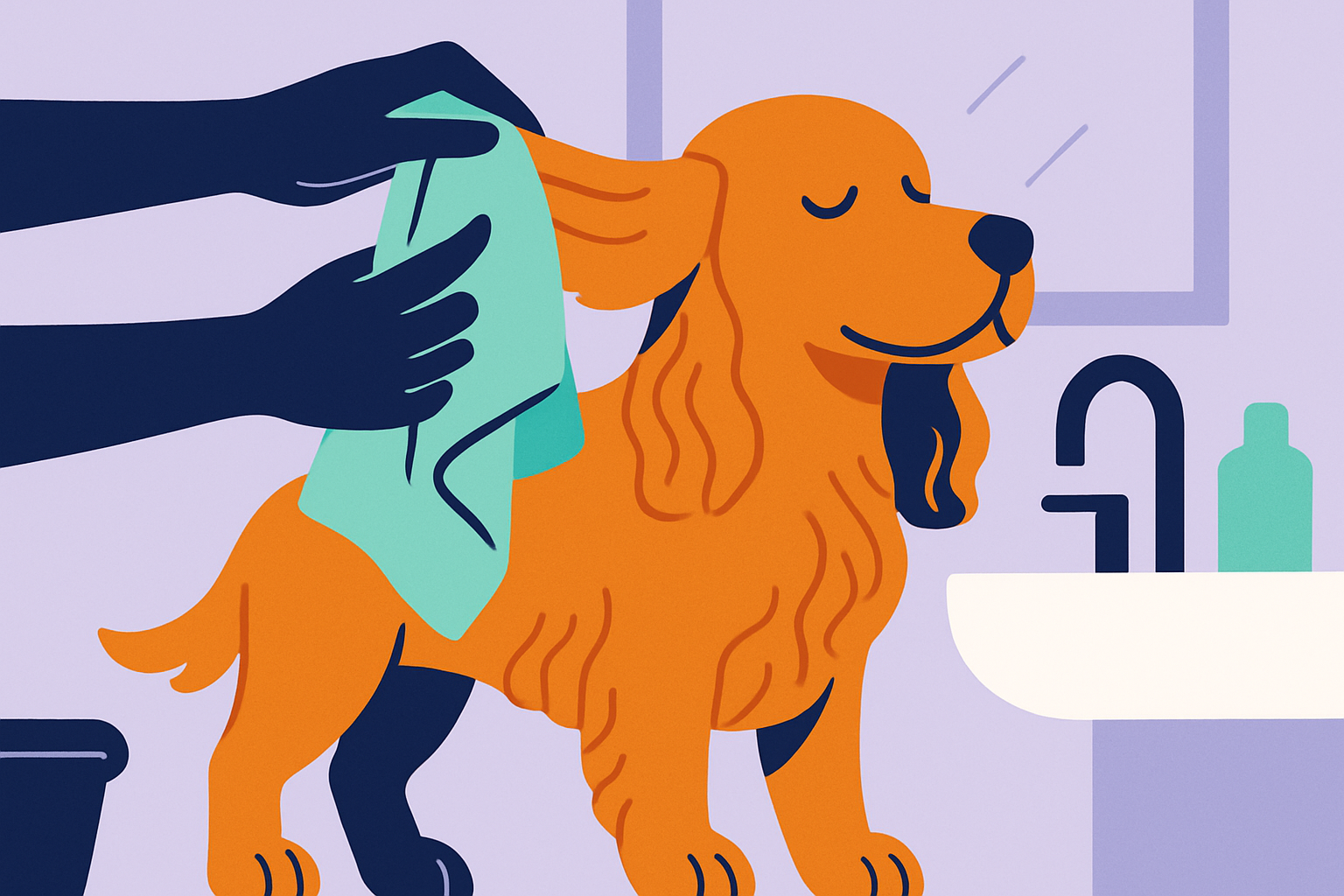
- Moisture and anatomy. Floppy ears, deep folds, swimming, humidity, and extra weight create warm damp pockets. The AKC notes that drying ears after baths and keeping folds clean and dry makes skin far less inviting.
- A dampened immune response (including pups on long-term steroids) and yeast hypersensitivity, where a dog reacts strongly to very few organisms.
- Breed luck. Westies, Bassets, Cocker Spaniels, Shih Tzus, and Poodles show up more than average.
What can I give my dog at home, and when?
Once the infection is handled, the job shifts to keeping the skin barrier strong so yeast has less opportunity. That maintenance phase is where supplements belong.
Long-chain omega-3s (EPA and DHA from fish oil) are the best-studied nutritional lever for inflamed, allergic dog skin, with trials showing better skin and itch scores over roughly 8 to 12 weeks of steady dosing. They work slowly, which makes them a prevention tool.
Finn's Skin & Coat is our version: a vet-formulated soft chew built on wild Alaskan salmon oil with biotin, vitamin E, and zinc. It carries the NASC Quality Seal and is third-party tested. It is daily skin and coat support, not something that clears an active infection.
A daily omega chew to help support the skin barrier through the humid stretches when yeast tends to return.
Shop Skin & CoatWhat we would skip: vinegar rinses and coconut oil on raw skin. They lack the evidence medicated products have, and acidic rinses sting. Ask your vet about antifungal wipes instead.
How do I keep yeast from coming back?
Finish the full treatment course your vet prescribes, then address the underlying trigger. Consistent drying and daily skin barrier support make recurrence far less likely.
- Finish the full course. Stopping when the odor fades is the top reason yeast returns in three weeks.
- Chase the root cause: allergy workup, diet trial, or thyroid panel.
- Dry the damp spots after every bath, swim, and rainy walk: ears, armpits, toes, folds.
- Bathe on a schedule if your vet recommends one, and support the barrier daily.
FAQ
How long does it take to clear a yeast infection in a dog?
Itch and odor usually improve in the first week of therapy, but the full course commonly runs several weeks. Chronic oral-medication cases can go months.
Can I use human antifungal cream on my dog?
Ask your vet first. Concentration, dose, and the chance your pup licks it off all change the math.
Does a grain-free diet stop yeast infections?
There is no solid evidence that dietary sugar or grain feeds skin yeast. Diet matters when a food allergy is the trigger, which is best sorted with a vet-guided elimination trial.
Is a dog yeast infection contagious?
No. Malassezia is a normal resident of dog skin, so it does not pass to you or to housemates.
This article is for general education and is not a substitute for veterinary advice. If your pup has ongoing or severe symptoms, check in with your vet.